One shared data model
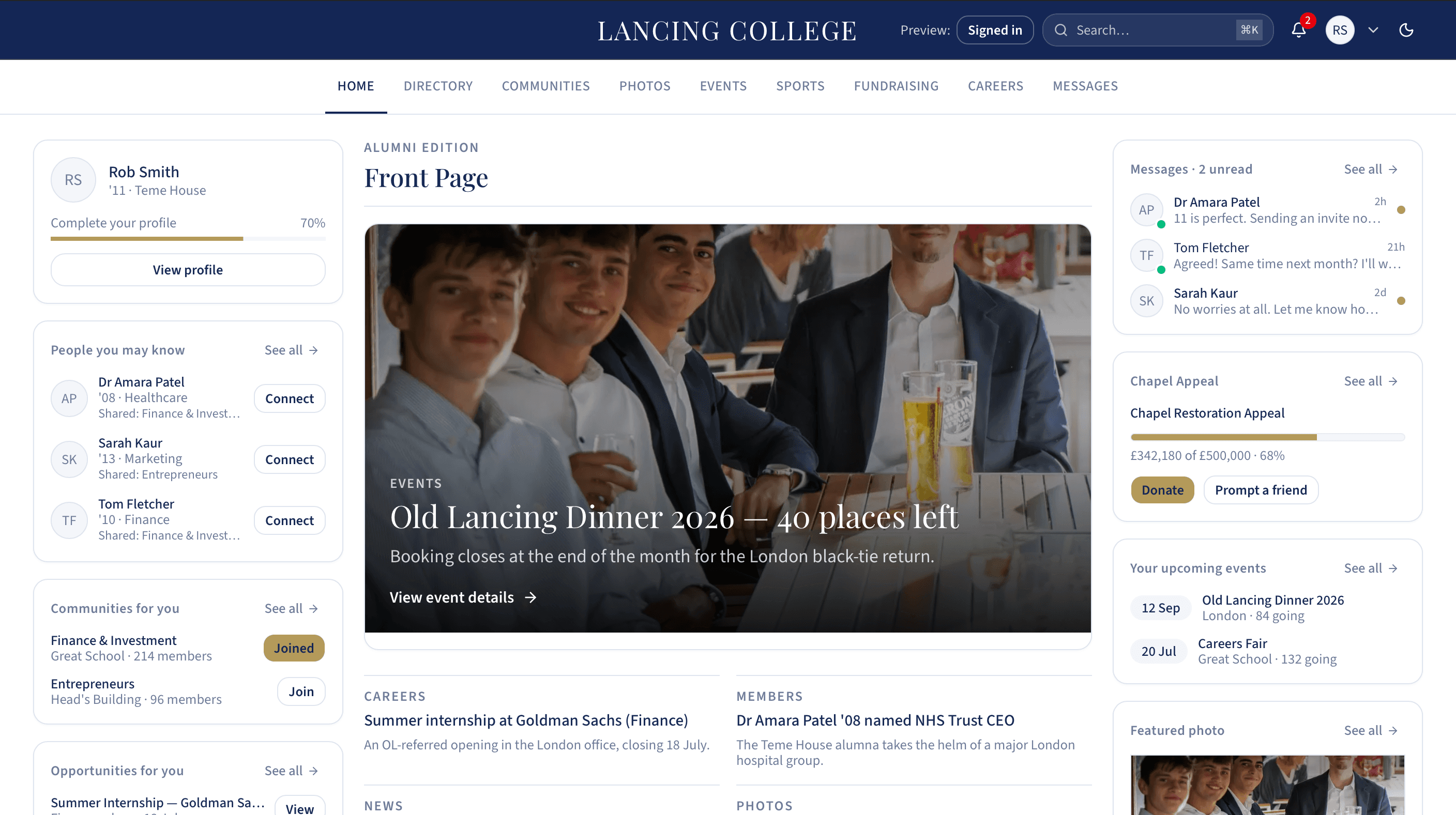
Every team works from the same records, so nobody copies data from one tool into another.
Many businesses run on a patchwork of subscriptions: a CRM, a booking tool, a task app, and spreadsheets in between. We replace them with one system built around how you work, on one shared data model, that you own. AI-powered development lets us build it at a cost comparable to, or lower than, the off-the-shelf software you already use.
One system in place of several subscriptions, shaped around how your team already works.
Every team works from the same records, so nobody copies data from one tool into another.
Screens and workflows follow the way your team already works, in the language it already uses.
Your data moves across from the current tools and is checked, with the old tools kept running until you switch.
Tools that do their job well, such as your accounting software, stay and are connected rather than replaced.
You receive the intellectual property rights, so the system is an asset of the business, not a rental.
Because the data lives in one place, reports cover the whole business instead of one tool at a time.
The useful parts of each subscription become parts of one system, shaped around your business and running on data you own.
Every completed engagement is benchmarked against the typical agency quote for the same scope. Open a project for the full case study.
Nothing is built before it's scoped, and nothing ships before it's reviewed.
Every engagement starts with a written proposal: what we'll build, when it lands, and the development and maintenance rates. Agreed before we begin.
Frontier models produce at a pace no traditional team can match. Our engineers specify the work, direct it, and shape every output.
Line-by-line senior review, automated and manual testing, security checks. Nothing ships on trust alone.
Deployment and continuing development use a flat monthly rate; once live, monitoring and maintenance move to a lower monthly rate.
Every replacement is priced in a written proposal, so you can set it against what your current subscriptions cost you.
When you pay for several tools to do one job, when your team copies data between them, or when the tools force people to work around them. If one off-the-shelf product already fits the way you work, keeping it is usually cheaper, and we'll tell you so.
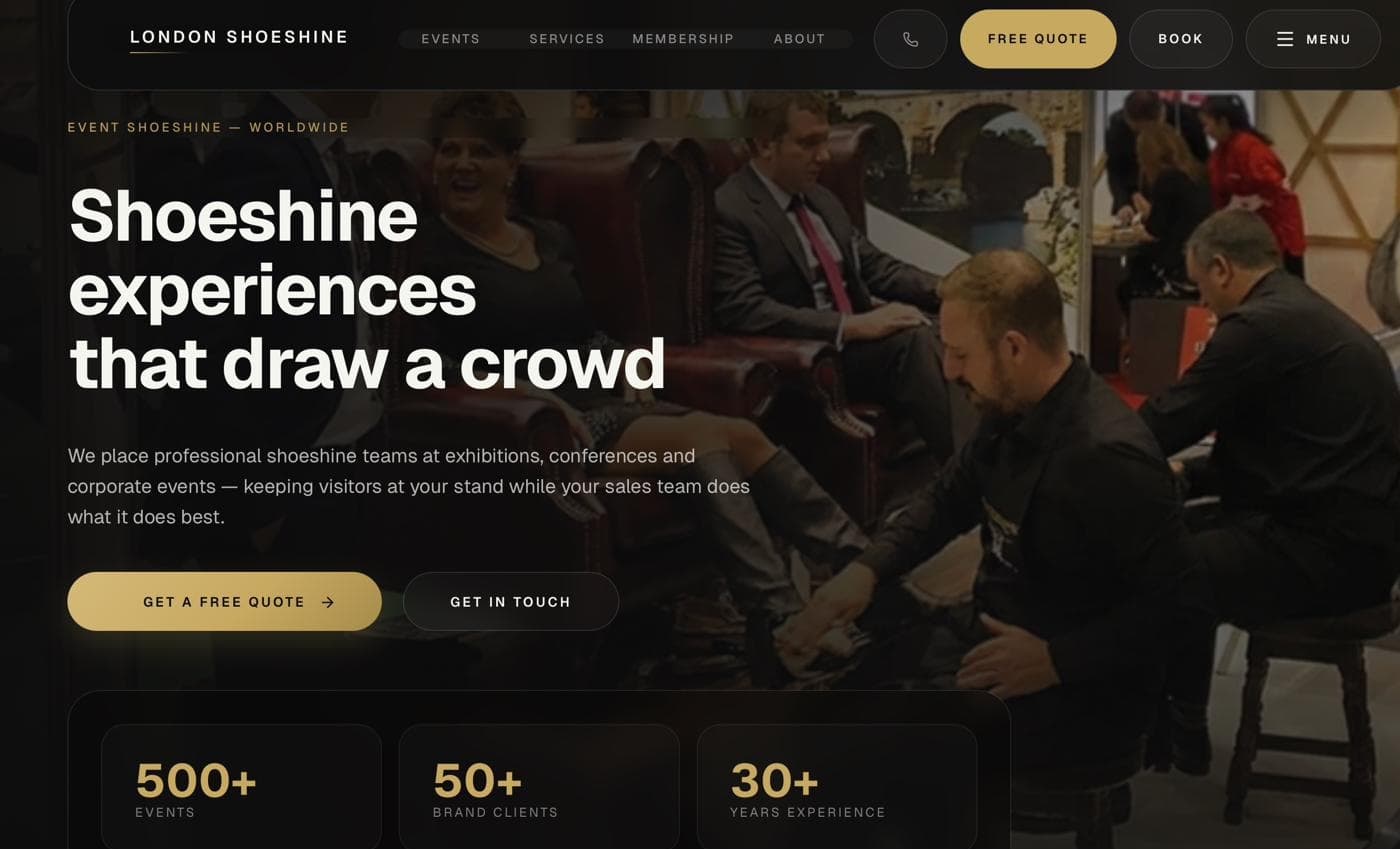
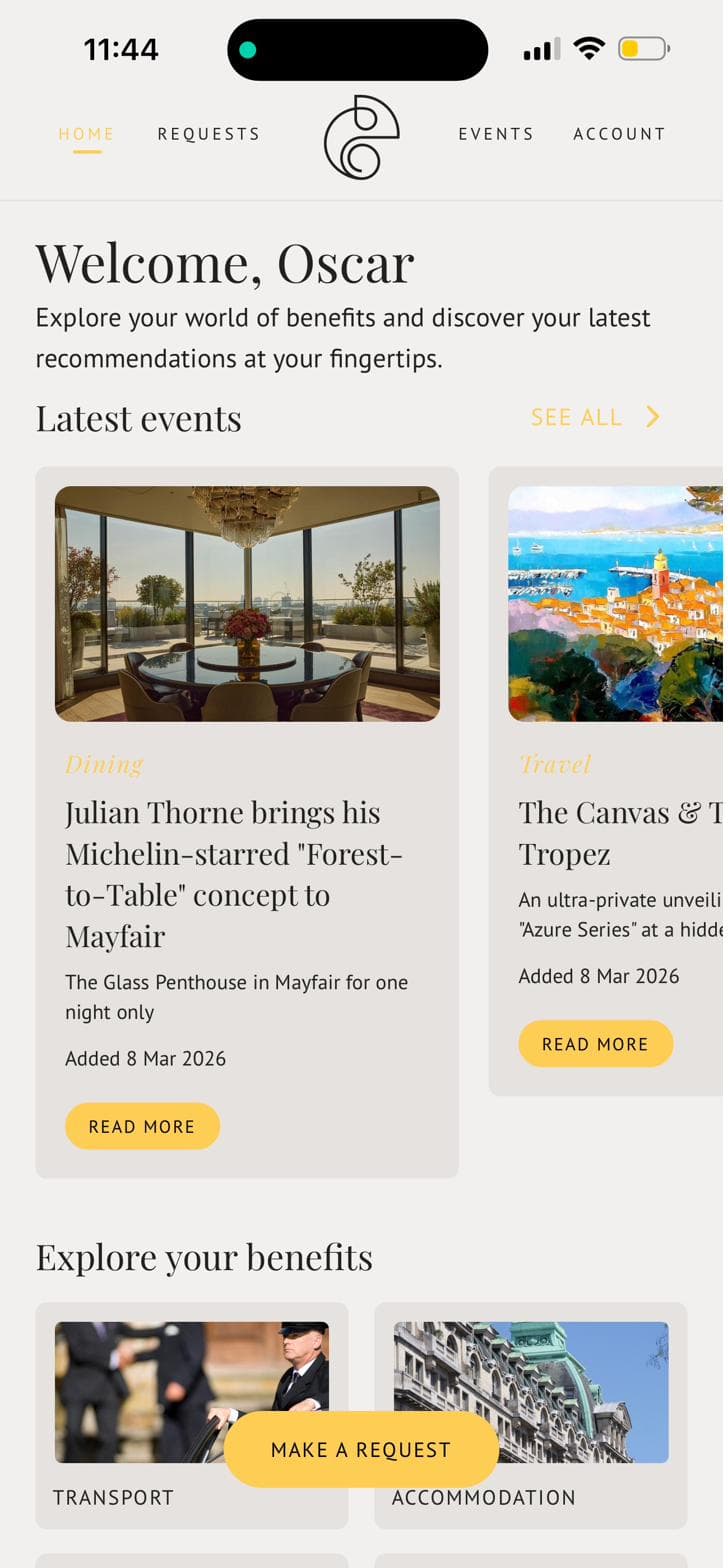
Two examples from our case studies. Chameleon Access (connected platforms with a CRM) had a typical agency quote of £35,000; we delivered it for £5,000. London Shoeshine (website, bookings, memberships and an operations CRM) saved £8,000 and 2.8 months against the typical quote. Your price depends on how many tools are replaced, the data that moves and what the new system connects to. You get a written proposal first.
Replace the tools your team works around or copies data between. Keep the ones that do their job well and connect to the rest, which is often true of accounting software. We go through each tool with you before anything is built.
Sometimes. No-code tools suit simple internal workflows with a few users. They get harder to live with when you need detailed permissions, many integrations, outside users such as customers, or a growing number of per-seat licences. We'll tell you which fits your case.
We move it across from your current tools and check it, and the old tools keep running until you're ready to switch, so nothing is lost on the way.
Development runs at a flat monthly rate. Once the system is live, monitoring and maintenance move to a lower monthly rate. Hosting and third-party services such as payments or email are billed as usual.
You do. You receive the intellectual property rights to the software we build for you.
Monitoring, maintenance and fixes continue at a lower monthly rate, with a written report and a strategy call every month.